June 18, 2026
In today's fast-paced and ever-evolving construction industry, choosing the right heavy equipment rental company is crucial for the success of any project. The decision goes beyond mere cost considerations; it encompasses various factors such as equipment quality, company reputation, pricing structures, customer service, and contract terms. Thoroughly evaluating these elements ensures that project managers not only save money but also mitigate risks and enhance operational efficiency.
According to Global Market Insights, the construction equipment rental market is forecast to grow at a compound annual growth rate of 4% from 2023 to 2032, so the competition among providers will intensify. This growth suggests an increasing reliance on rental services instead of direct purchases, making the choice of the right partner even more significant. By carefully analyzing these aspects, firms can capitalize on the benefits of renting and maintain a competitive edge.
To facilitate this decision-making process, this article delves into the essential steps and considerations involved in choosing a heavy equipment rental company. From understanding specific equipment needs to evaluating customer support, these guidelines will help ensure a successful partnership that aligns with project goals and timelines.
Understanding Your Equipment Needs
Identifying the right equipment begins with a comprehensive assessment of project requirements. This involves analyzing project size, scope, and duration to determine the types and quantities of equipment needed. By understanding these requirements, project managers can avoid unnecessary rentals, optimize costs, and ensure that the equipment meets the demands of the job site.
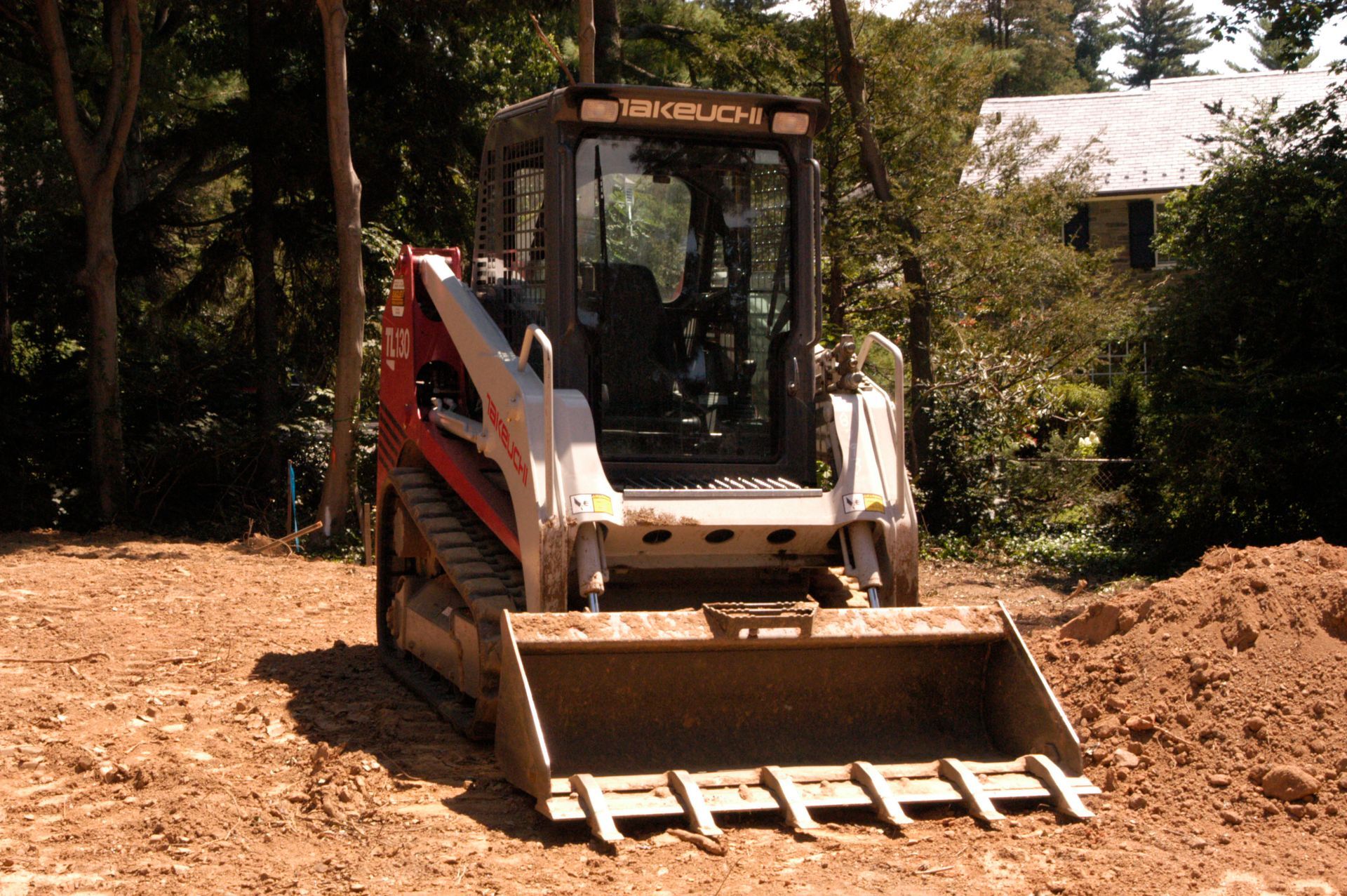
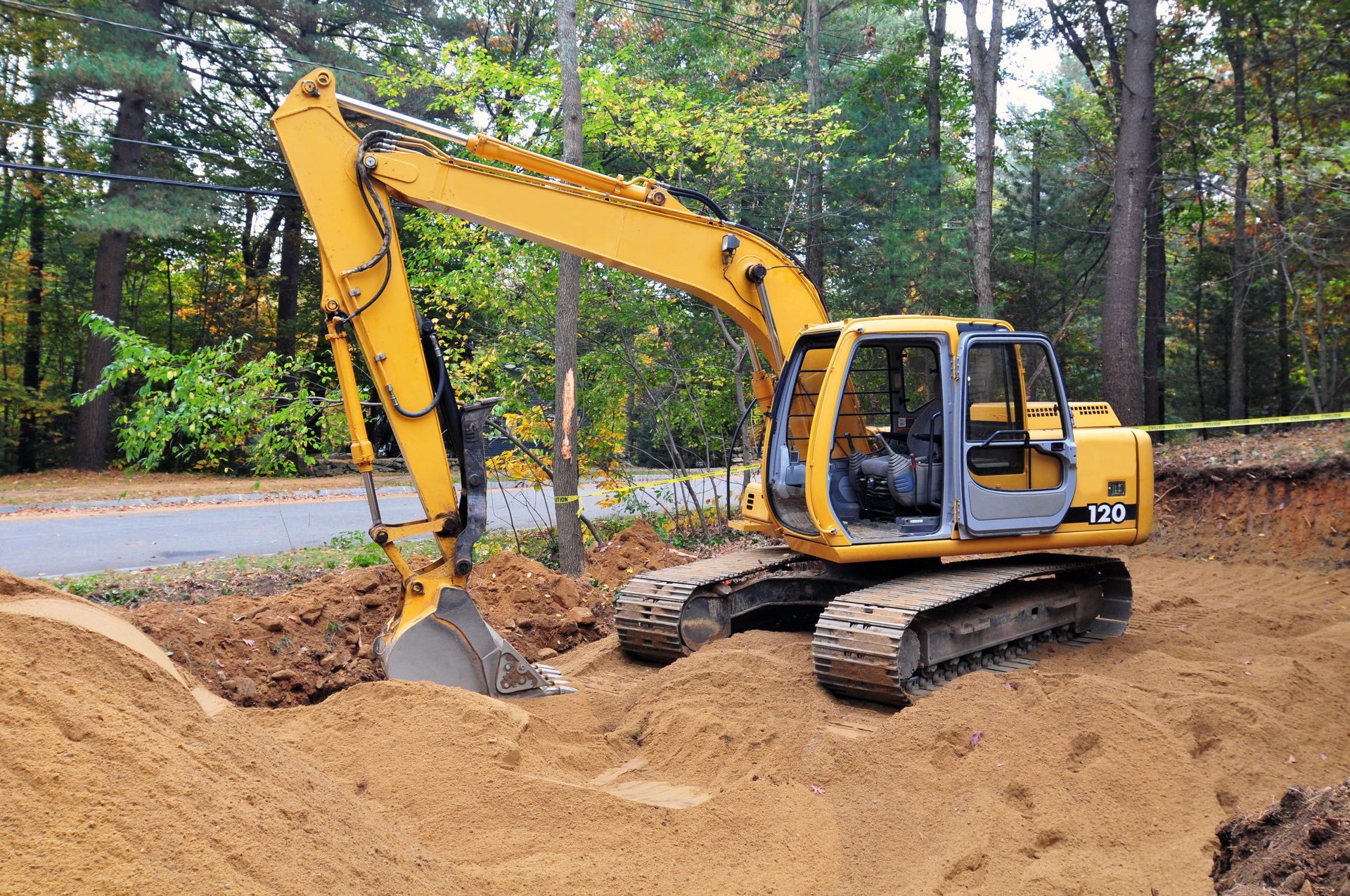
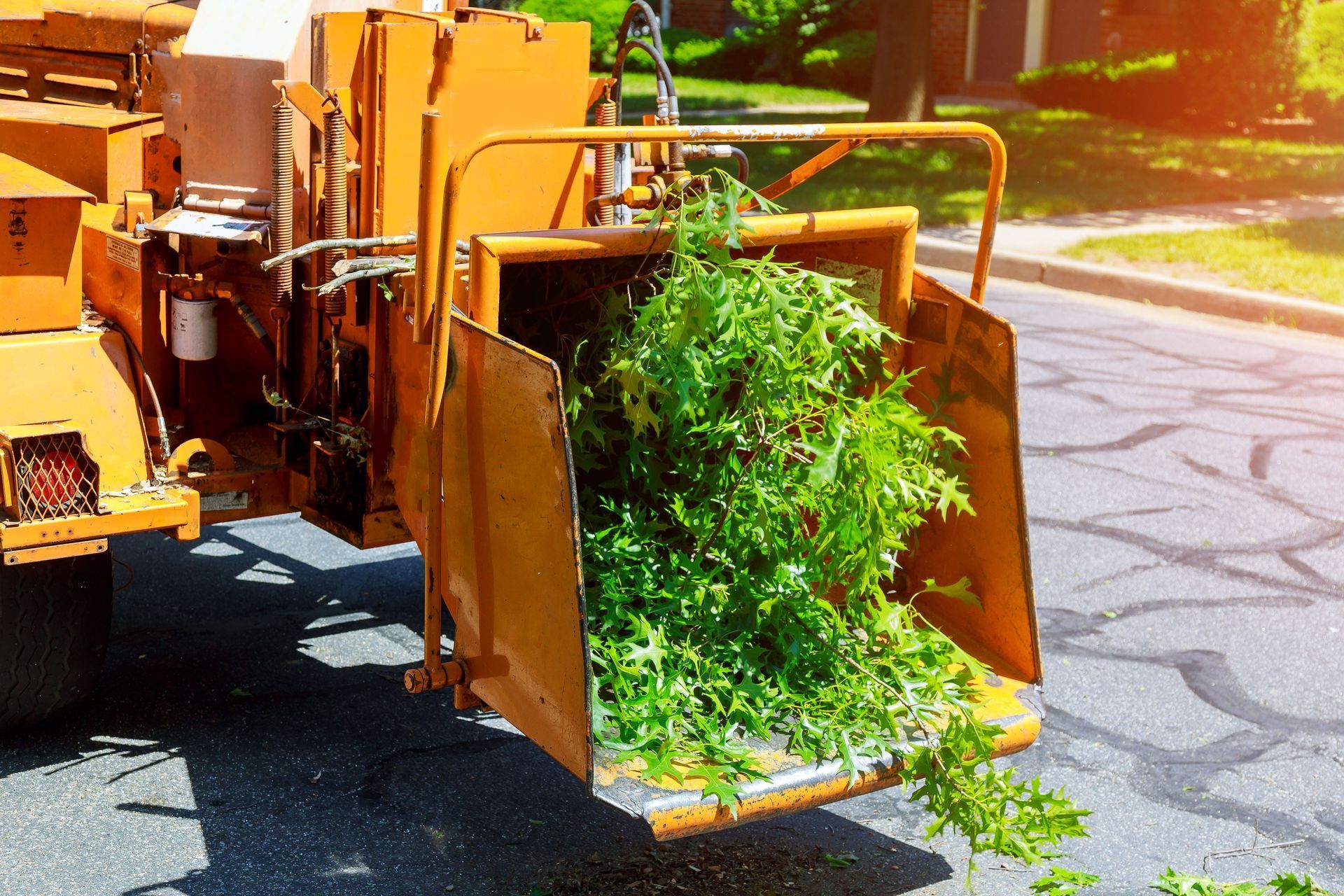
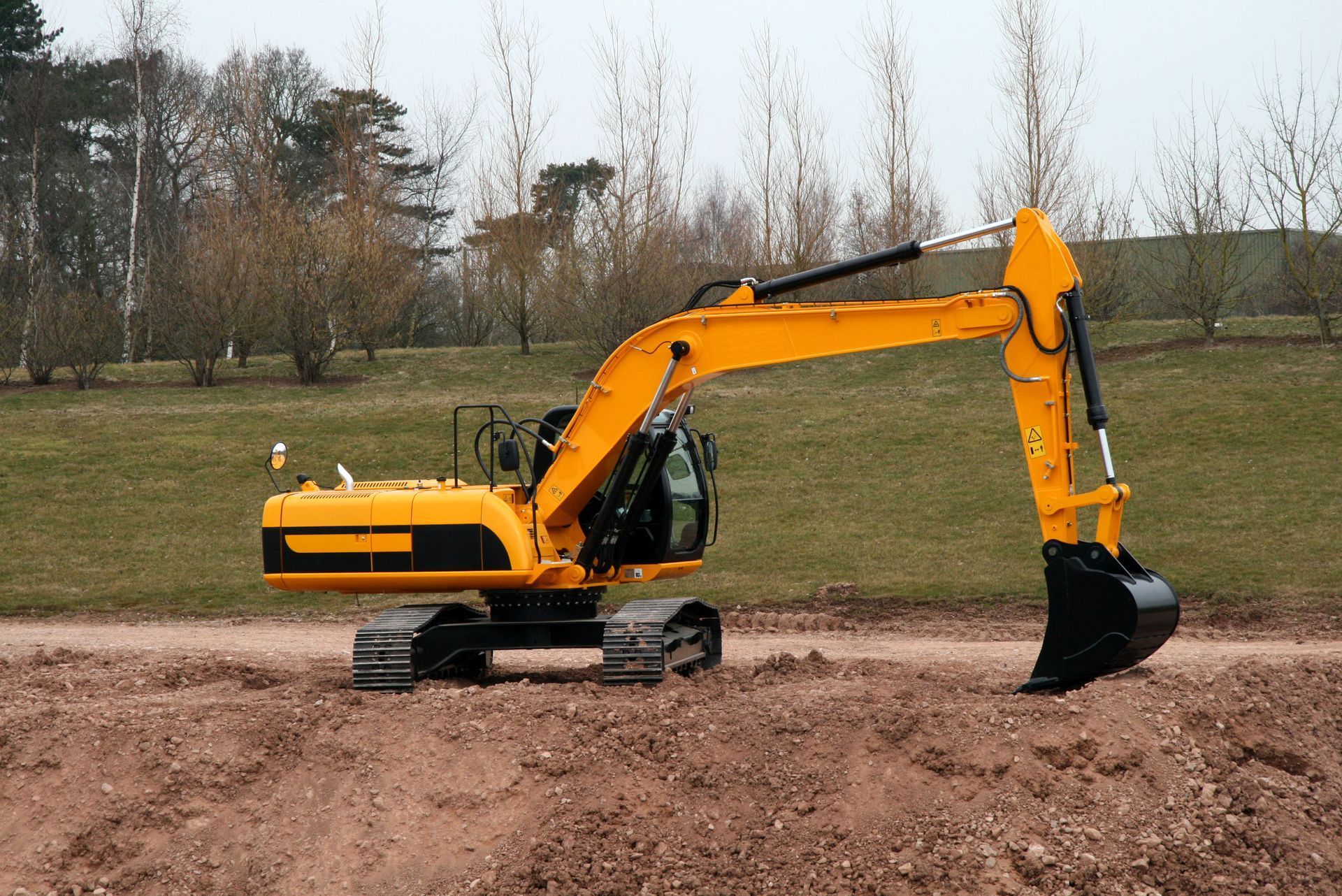
The types of equipment offered by a rental company play a significant role in decision-making. A reputable provider will offer a diverse range of machinery, from earthmovers and loaders to specialized equipment like cranes and excavators. Having access to cutting-edge technology and a variety of equipment types allows for flexibility and adaptability, which are essential for meeting dynamic project needs.
Short-term and long-term rental options provide additional flexibility in aligning equipment rental with project schedules. Understanding the duration of equipment needs helps in negotiating terms that are financially advantageous while ensuring availability throughout the project lifecycle. Moreover, equipment compatibility and future scalability must be considered to support ongoing operations and potential project expansions.
Evaluating Rental Company Reputation
Researching the history of a rental company is an essential step in evaluating its credibility and reliability. A company with a long-standing presence in the market typically signals stability and experience in handling diverse project requirements. By examining a rental firm's track record, project managers can gauge their level of expertise and trustworthiness.
Online reviews and customer testimonials offer valuable insights into the quality of services provided by the rental company. These reviews often reflect the experiences of past clients, highlighting the strengths and weaknesses of the provider. Additionally, industry certifications and accreditations serve as objective indicators of a company's commitment to maintaining high standards.
Contacting past clients for references and reviewing case studies can further supplement the evaluation process. This form of due diligence helps identify the company's strengths in specific areas such as customer service, equipment quality, and support services. Furthermore, an established market presence and financial stability reassure clients of the company's capacity to fulfill long-term commitments.
Analyzing Pricing Structures
Understanding rental rates is paramount in making cost-effective decisions. Transparent pricing structures allow project managers to accurately estimate expenses and allocate budgets accordingly. It is important to consider not only the base rental rates but also any additional costs that may be involved.
Hidden costs and fees can significantly impact the overall cost of equipment rental. Careful analysis of rental contracts can reveal additional charges such as transportation fees, insurance costs, and penalties for late returns. Being aware of these costs upfront enables better financial planning and prevents unexpected expenses.
Flexible payment options and discounts for long-term rentals offer opportunities to optimize expenditure. Rental companies that provide flexible terms are often more accommodating of the unique financial situations faced by project managers. Utilizing price comparison tools and techniques can further aid in securing the best possible rates and maximizing return on investment.
Inspecting Equipment Quality and Maintenance
The quality and maintenance of equipment are critical considerations in ensuring safety and efficiency on the job site. Reputable rental companies adhere to regular maintenance schedules, ensuring their machinery is in optimal working condition. This reduces the risk of equipment failure and project delays.
Inspection reports and equipment history are invaluable resources for verifying the condition and reliability of machinery. These documents provide a record of past maintenance and repairs, offering transparency regarding equipment performance. Selecting providers who can furnish this information helps alleviate concerns about reliability and safety.
Up-to-date and well-conditioned machinery, equipped with the latest technological advances, enhances operational productivity. The availability of modern equipment with updated safety features contributes to a safer work environment. Compliance with industry safety standards is a hallmark of rental companies committed to ensuring the well-being of their clients and personnel.
Assessing Customer Service and Support
Exceptional customer service is an integral aspect of a positive rental experience. Companies that offer 24/7 customer support availability demonstrate a commitment to addressing concerns around the clock. This is particularly vital for project managers who operate in different time zones or face unpredictable challenges.
On-site support and quick trouble resolution are valuable services that rental companies can provide. Immediate assistance in the event of equipment malfunction or operational issues can prevent project interruptions and losses. Additionally, training and operational guidance ensure that equipment is used efficiently and safely.
Contract flexibility and negotiations, paired with after-hours emergency assistance, cater to the evolving needs of construction projects. These services allow for adjustments in rental terms that accommodate shifts in project timelines or scope. Companies that prioritize client satisfaction are more likely to nurture long-term partnerships through responsive and adaptive service.
Reviewing Contract Terms and Conditions
Comprehending the rental agreement is essential to avoid misunderstandings and disputes. This includes a thorough review of terms related to equipment usage, responsibilities, and termination conditions. Clear communication and understanding of rights and obligations promote transparency and trust between parties.
Insurance requirements and liabilities must be clearly defined within the contract. These provisions protect both the rental company and the client in the event of accidents or equipment damage. Adequate insurance coverage minimizes financial risks and ensures project continuity.
Return policies, extension provisions, cancellation terms, and penalties are critical components of rental agreements. Companies that offer favorable terms in these areas tend to be more customer-centric and flexible. Adhering to legal compliance and contractual obligations fortifies the relationship between rental providers and their clients, paving the way for successful collaborations.
In conclusion, the process of selecting a heavy equipment rental company requires careful consideration of numerous factors, each contributing to the overall success of a project. By understanding equipment needs, evaluating company reputation, analyzing pricing structures, inspecting equipment quality, assessing customer service, and reviewing contract terms, project managers can make well-informed decisions. These steps ensure that the chosen rental company aligns with the project's unique requirements and objectives.
The anticipated growth in the construction equipment rental market underscores the increasing importance of these services. A thorough evaluation of potential partners can lead to cost savings, enhanced productivity, and minimized risks. As the industry evolves, the ability to navigate these considerations will be instrumental in maintaining a competitive advantage and achieving project success.
Ultimately, the right partnership with a reputable and reliable heavy equipment rental company can result in a seamless operational experience, allowing project teams to focus on delivering quality results. By prioritizing these key factors, construction professionals can pave the way for efficient and successful projects, bolstering their reputation and contributing to industry advancements. Reach out to Papertown Equipment Rental for more information, and see what we can do to help with your big project.