June 24, 2026
The landscape of American construction is changing rapidly as projects face tighter deadlines and shifting economic conditions. Construction managers and contractors across the country are constantly looking for ways to maximize their efficiency while keeping operational expenses under control. One of the most noticeable shifts in the sector is the move away from purchasing machinery outright in favor of flexible sourcing options. This transition is reshaping how projects are planned, budgeted, and executed, allowing companies of all sizes to remain competitive in a demanding market.
Understanding this shift requires a look at the operational hurdles that modern construction teams encounter daily. From unpredictable project pipelines to the steep costs of machinery upkeep, the financial realities of building infrastructure have become incredibly complex. As a result, businesses are reevaluating their long-term asset strategies. Choosing to leverage specialized sourcing strategies has emerged as a practical mechanism for maintaining agility, safeguarding capital, and ensuring that the right tools are always available for the specific job at hand.
Rising Equipment Acquisition Costs
The initial financial hurdle of purchasing machinery outright has become a primary driver behind the shift toward heavy equipment rentals. Buying major machinery requires a massive upfront capital investment that can severely limit a construction company's cash flow. When a business ties up its financial resources in a single piece of machinery, it reduces its ability to respond to unexpected expenses or invest in other vital areas like payroll, materials, and marketing. By utilizing heavy equipment rentals, contractors can keep their capital fluid and allocate funds where they are needed most.
Beyond the initial purchase price, the long-term expenses associated with machine ownership add another layer of financial strain. Ownership demands continuous spending on specialized insurance policies, secure storage facilities, and routine preventative maintenance. If a machine breaks down unexpectedly on a job site, the owner bears the full financial burden of repairs and parts sourcing. Opting for heavy equipment rentals eliminates these unpredictable operational costs, as the responsibility for major maintenance and compliance testing typically remains with the provider.
Fluctuating Project Demand Cycles
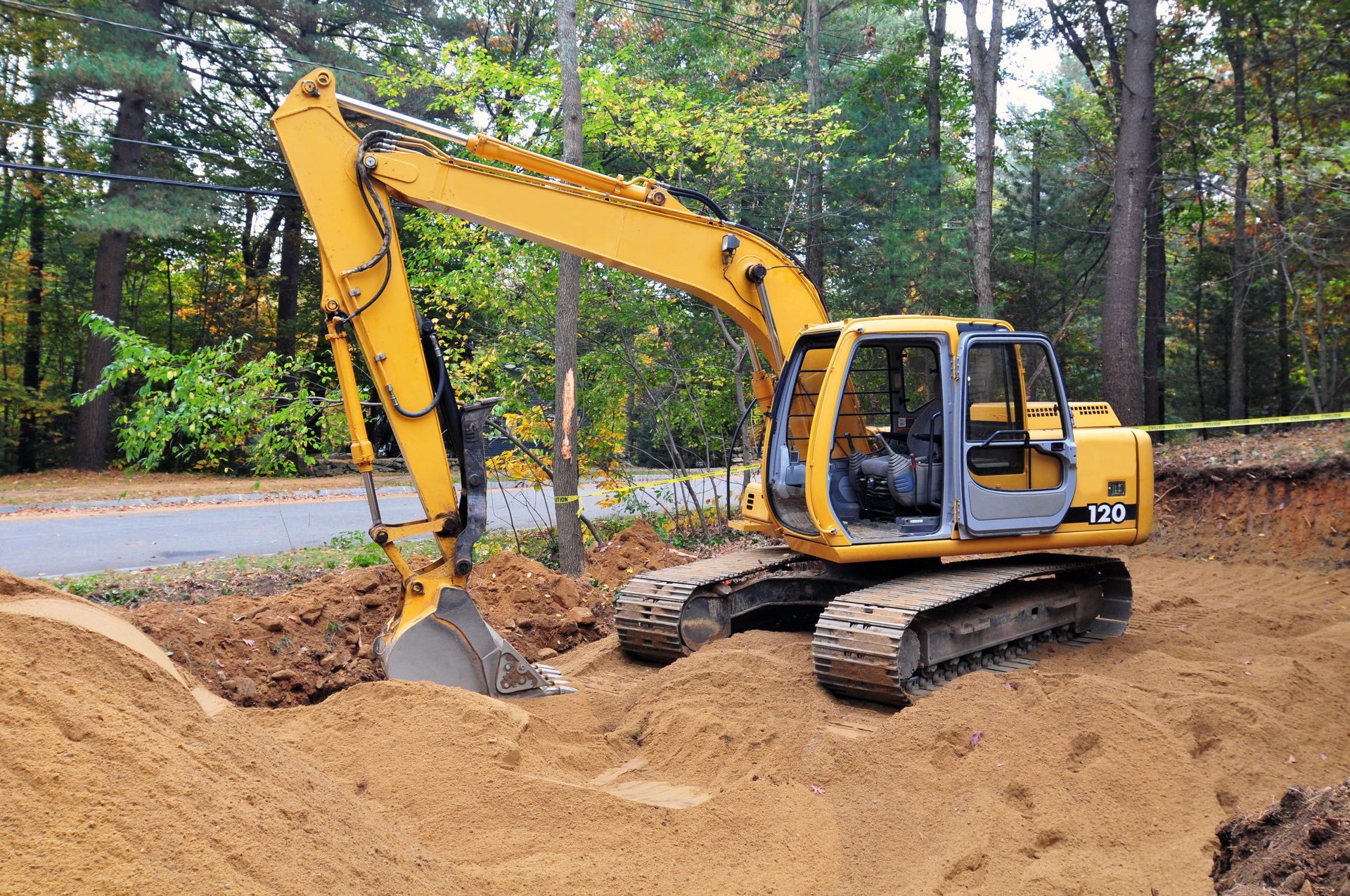
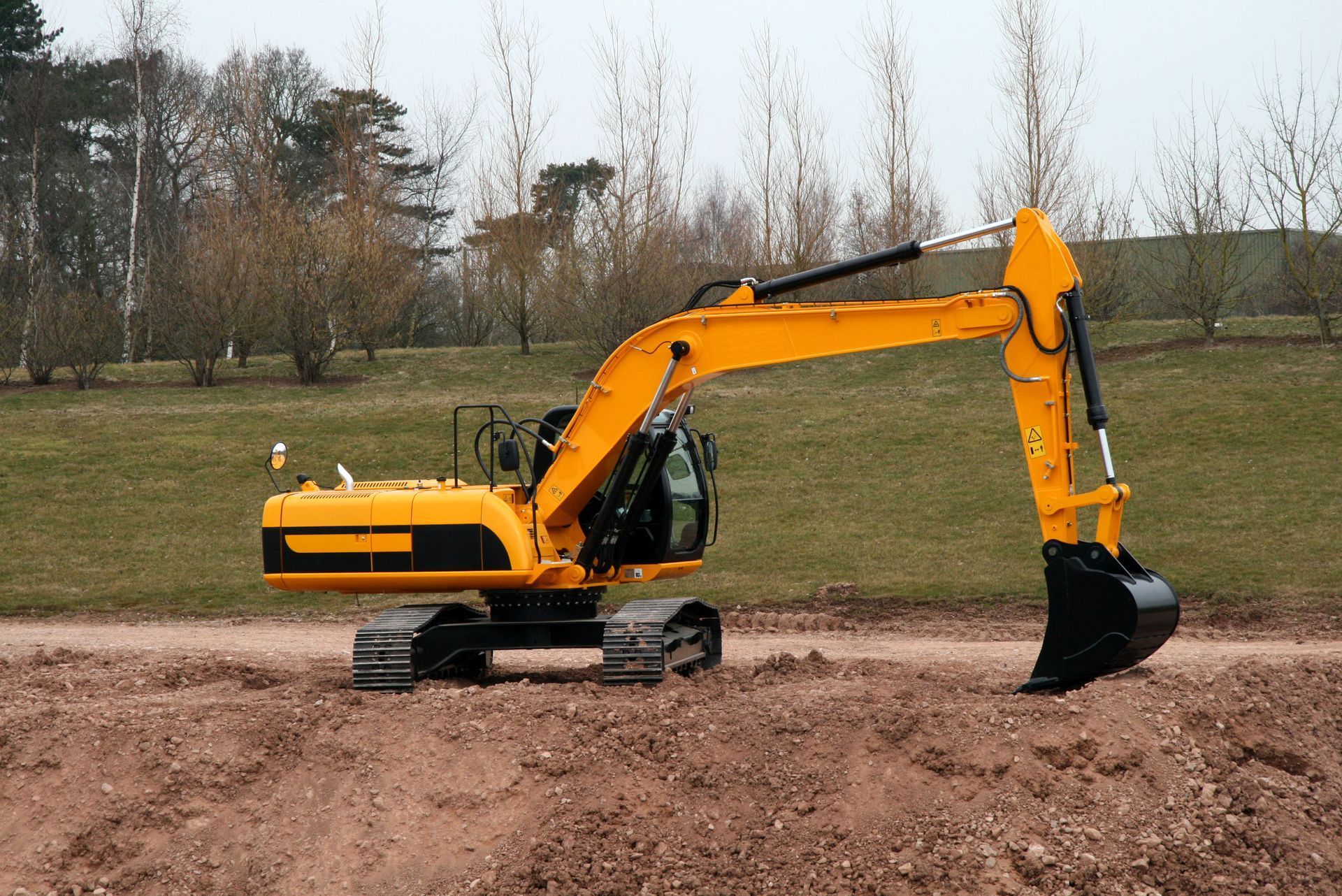
Construction schedules are rarely uniform, and project pipelines can vary significantly from one quarter to the next. A company might secure a massive earthmoving contract that requires multiple excavators, only to follow it with a series of smaller finishing projects where those large machines sit idle. Owning a fleet during these slower periods means paying for the storage and depreciation of assets that are not generating revenue. Utilizing heavy equipment rentals allows businesses to scale their fleet size up or down to perfectly match their active workload.
This scalability ensures that contractors never have to turn down a specialized project due to a lack of specific machinery. Instead of bidding only on jobs that fit their current inventory, builders can confidently pursue diverse contracts knowing they can source specialized units on demand. This operational elasticity transforms fixed overhead costs into variable expenses that only occur when a project is actively bringing in revenue, creating a much healthier balance sheet for the business.
Rapid Technological Machine Advancements
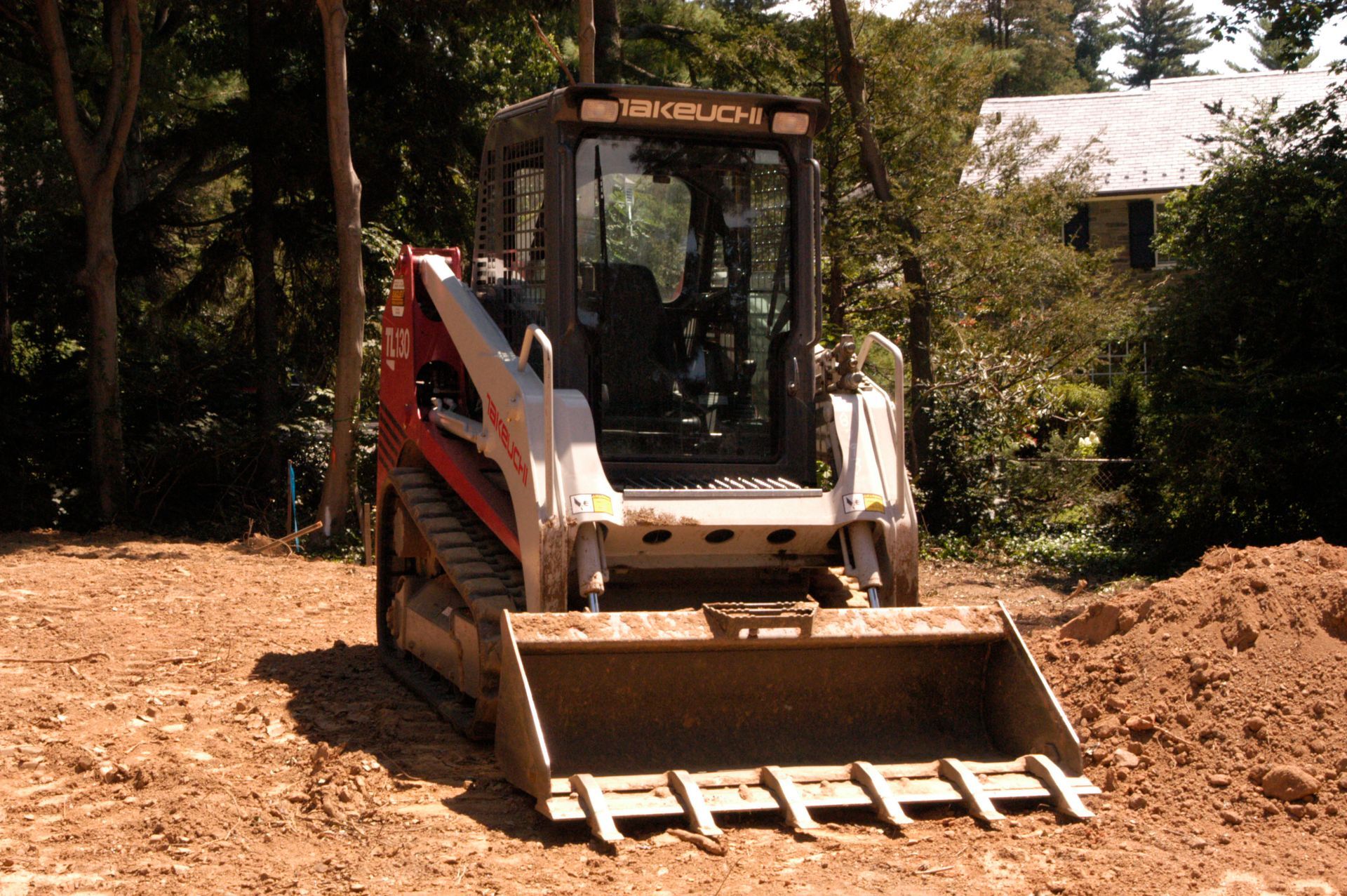
Modern construction machinery is evolving at an unprecedented pace, with manufacturers constantly introducing new features designed to boost efficiency and safety. Innovations in GPS tracking, automated grade control, and fuel-efficient engines help operators complete tasks faster and with greater precision. However, a company that purchases machinery today may find that its fleet is technologically outdated within just a few years. Engaging in heavy equipment rentals gives contractors access to modern fleets equipped with the latest job-site technology without the risk of asset obsolescence.
Using up-to-date machinery directly impacts project profitability by reducing fuel consumption and minimizing operator fatigue. Newer models also tend to comply more strictly with changing environmental and emissions regulations, which is increasingly important for securing public contracts and municipal projects. By relying on heavy equipment rentals, construction firms ensure they are always deploying efficient, modern machinery that meets current industry standards, giving them a distinct competitive edge during competitive bidding processes.
Eliminated Storage Facility Burden
Finding a secure, weather-protected location to house massive construction machinery when it is not in use is a major logistical headache. Large fleets require expansive yards that come with high real estate costs, property taxes, and security infrastructure to prevent theft and vandalism. For companies operating in urban areas or regions with high land values, the cost of maintaining a dedicated storage yard can be prohibitive. Sourcing heavy equipment rentals completely removes this logistical burden from the contractor's plate.
When a specific phase of construction wraps up, the rented machinery is simply returned to the provider, freeing up valuable job site space and eliminating the need for long-term storage solutions. This logistics model is especially beneficial for out-of-town projects where transporting owned machinery across state lines or long distances would incur massive freight costs. Renting locally ensures that logistics remain simple, affordable, and focused entirely on active production zones rather than idle asset management.
Broader Financial Market Trends
The broader economic data underscores why so many companies are altering their procurement habits in favor of flexibility. According to Equipment Finance News and the American Rental Association, the overall equipment rental market was projected to grow to nearly $82.6 billion in 2025, up 5.7% from the previous year. This substantial macroeconomic expansion reflects a systemic shift across the industrial sector as businesses prioritize financial resilience over traditional asset accumulation. Industry leaders are recognizing that financial liquidity provides a better cushion against market volatility than a yard full of depreciating steel.
This upward market trajectory is also encouraging providers to expand their inventories and offer more tailored contract options to their clients. As the demand for heavy equipment rentals intensifies nationwide, the availability of diverse machinery classes, attachments, and support services continues to improve. Contractors are benefiting from this competitive landscape, gaining access to highly reliable machinery procurement pipelines that support steady business growth without forcing them to take on substantial corporate debt.
Navigating the complexities of modern construction requires a strategic approach to resource management and fleet logistics. The traditional belief that ownership is the only path to operational stability is being replaced by a smarter, data-driven emphasis on asset flexibility. Choosing
heavy equipment rentals enables businesses to mitigate financial risks, avoid the steep penalties of machine depreciation, and maintain maximum operational agility in a rapidly shifting economic environment. This strategic shift empowers project managers to optimize their bottom lines while maintaining the highest safety standards on site. Furthermore, adapting to these modern procurement methods ensures that construction teams remain resilient regardless of unpredictable supply chain disruptions. Whether tackling a brief municipal upgrade or managing a sprawling commercial development, leveraging rental solutions keeps projects moving forward efficiently.
We understand the unique demands of the local construction landscape and are dedicated to providing the dependable machinery solutions your business needs to thrive. Papertown Equipment Rental proudly serves the Canton, NC area with a diverse, well-maintained inventory of machinery designed to optimize your productivity on every single job site. We make the procurement process as seamless as possible by offering free, same-day estimates so you can build accurate project bids without delay. Contact us today to discover how our tailored heavy equipment rentals can streamline your operations and help your team achieve its building goals.