October 13, 2026
Choosing construction equipment is about more than finding a machine that can complete a task. The size of that machine can affect how efficiently a crew works, how easily it moves around a jobsite, and whether it can safely handle the demands of the project. A machine that is too small may struggle with heavy workloads, while one that is too large can create access and maneuverability problems. Understanding these differences helps contractors make more informed decisions when planning a project and comparing equipment options.
Understand How Equipment Size Affects Performance
Match Machine Capacity to Project Demands
Every construction project has different requirements. Excavation, grading, material handling, lifting, and site preparation can all require different levels of power and capacity. Selecting equipment based on the actual workload helps prevent crews from spending unnecessary time compensating for an underpowered machine.
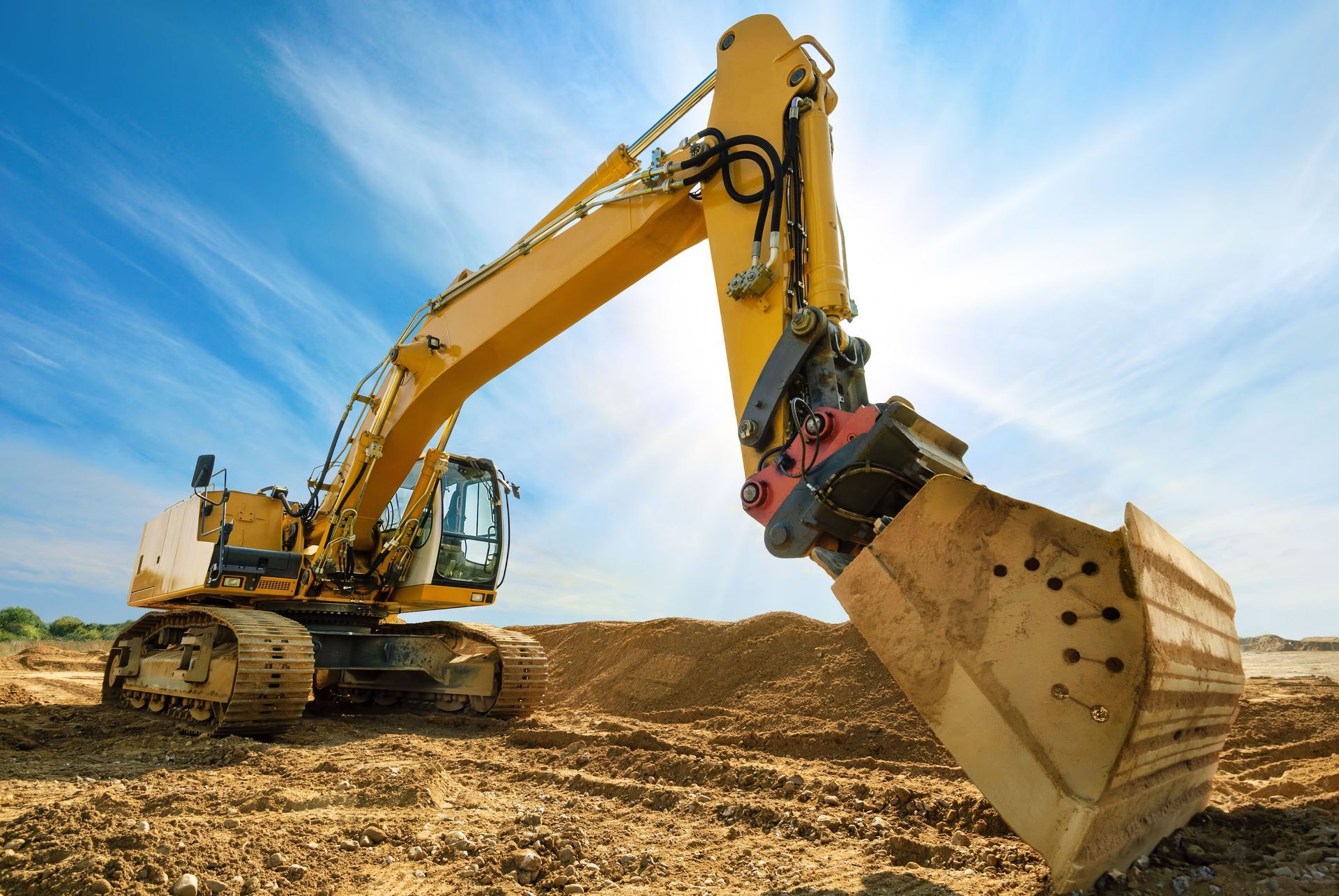
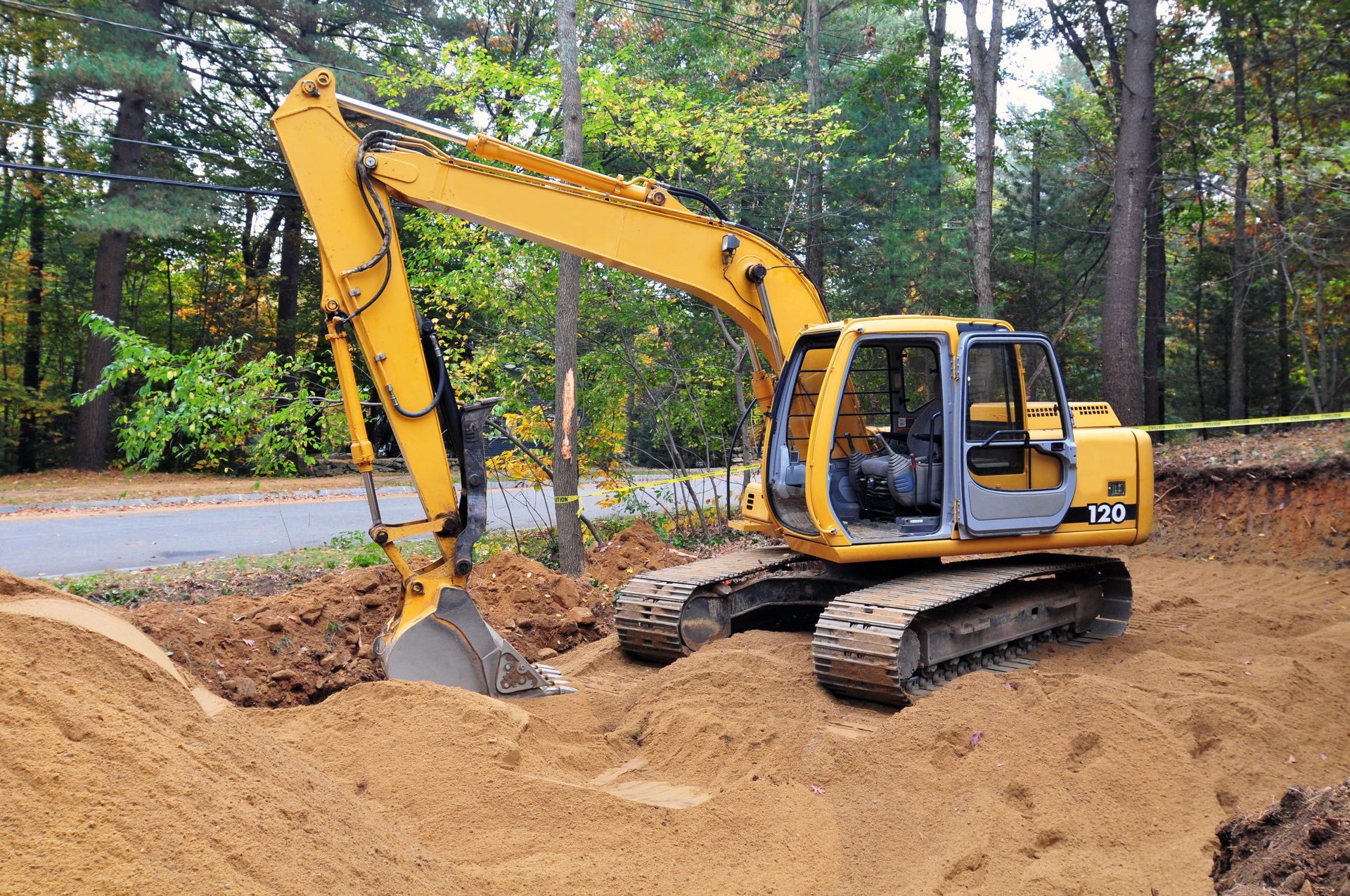
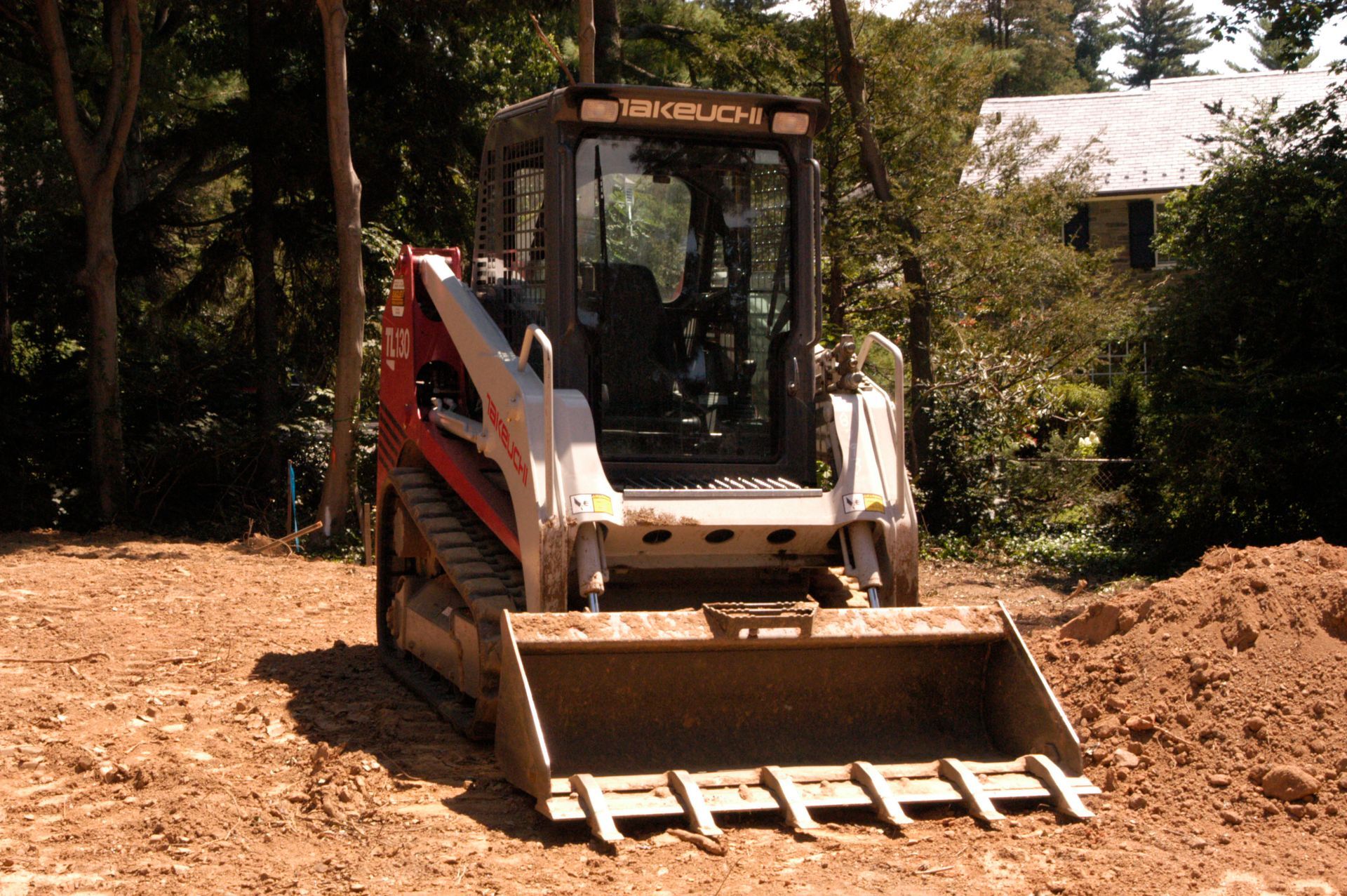
For example, a compact machine may be appropriate for a smaller residential site where maneuverability is more important than maximum digging or lifting capacity. A larger machine may be better suited to a commercial construction project with extensive excavation or substantial material to move.
When comparing heavy equipment rental companies, contractors should provide details about the work the machine needs to perform. Information about the project size, materials, terrain, and expected workload can help narrow down the available options.
Consider Operating Weight and Capacity
Operating weight and capacity are two important specifications to review before selecting equipment. A machine's weight can influence how it performs on different surfaces, while its rated capacity determines how much material it can safely handle.
Choosing equipment based solely on horsepower or physical size can lead to an incomplete decision. Contractors should consider the full set of specifications and determine whether the machine's capabilities match the project's requirements.
Evaluate How Equipment Fits the Jobsite
Account for Available Space
Jobsite dimensions can quickly determine which equipment options are practical. A large machine may offer greater capacity, but that does not necessarily make it the best choice for a confined work area. Narrow access points, existing structures, fences, landscaping, and other obstacles can restrict movement. When comparing heavy equipment rental companies, contractors should consider whether the available machines can comfortably operate within the site's physical limitations.
Before arranging a rental, contractors should measure entrances, pathways, work zones, and other areas where equipment will operate. It is also important to consider turning space. A machine that can physically enter an area may still be difficult to maneuver once it arrives. Discussing these measurements with heavy equipment rental companies can help contractors avoid selecting a machine that is too large for the site.
Consider Ground and Terrain Conditions
Terrain is another factor that can influence equipment selection. Sloped, uneven, soft, or rough ground may require equipment with features suited to those conditions. Four-wheel drive and track configurations, for example, can provide different advantages depending on the work environment.
Contractors should also consider how the machine's weight will interact with the ground. A heavier machine may not be appropriate for every surface, particularly when protecting existing areas is important. Evaluating the site before selecting equipment can help prevent avoidable complications and give heavy equipment rental companies the information they need to recommend suitable options.
Balance Equipment Size With Project Efficiency
Avoid Choosing Equipment That Is Too Small
Undersized equipment may seem like a practical way to limit rental costs, but it can create inefficiencies when the machine cannot keep up with the workload. Crews may need to make more passes, handle smaller loads, or spend additional time completing tasks.
For projects with demanding workloads, equipment should have enough capacity to perform its intended function without being pushed beyond appropriate operating limits. The goal is not necessarily to select the biggest machine available. Instead, it is to find one that provides an appropriate balance between capacity, maneuverability, and efficiency.
Avoid Choosing Equipment That Is Too Large
Larger equipment can also create challenges when its capabilities exceed what a project actually requires. A machine may take up more space, be harder to maneuver, require more room for transportation, or have difficulty operating in confined areas.
Oversized equipment can also make certain tasks less precise. On projects where crews need to work around existing structures or carefully control the amount of material being moved, a smaller machine may provide better control. Heavy equipment rental companies can help contractors compare different machine sizes and determine which option makes the most sense for the work.
Plan Around Material Handling Requirements
Consider How Materials Will Move
Equipment planning should account for how materials enter, move through, and leave a jobsite. Dirt, gravel, construction materials, debris, and other loads may need to be transported or positioned repeatedly throughout a project.
Material-handling needs can influence the size and type of equipment that makes sense. According to Bracing Systems Inc., forklifts are an integral tool for most contractors, which is why many of them own one or two. While a particular project may not require a forklift, the broader point is that material movement should be considered when planning equipment needs.
Attachments can also affect a machine's usefulness. Papertown Equipment Rental offers equipment attachments such as buckets, forks, grapples, brush cutters, and augers for select machines. Matching the attachment to the machine and the task can expand its capabilities without requiring an entirely different piece of equipment.
Plan for Load and Reach Requirements
Contractors should consider more than the weight of the materials being handled. Reach, lift height, bucket size, and working radius can also affect whether a machine is suitable for the task.
For example, a machine may have enough lifting capacity but lack the reach needed to position materials where they need to go. Similarly, an excavator may have sufficient digging power but require a different attachment for a specialized task. Reviewing these requirements in advance helps contractors select equipment based on how it will actually be used.
Consider Transportation and Site Access
Review Delivery Requirements
Equipment size can affect how a machine gets to the jobsite. Larger equipment may require different transportation arrangements, while smaller machines can sometimes be moved more easily. Contractors should think about delivery access before finalizing their rental selection. Heavy equipment rental companies can also help customers understand whether a particular machine will require special delivery considerations.
Road conditions, gates, driveways, overhead clearance, and site entrances can all affect delivery. Planning these details in advance can help avoid delays when equipment is scheduled to arrive.
Check Clearance and Operating Height
Horizontal space is not the only access concern. Contractors should also evaluate overhead clearance when working around buildings, utility lines, tree branches, and other structures.
Equipment with a tall operating height or extended boom can require substantial vertical clearance. Checking these limitations before the machine arrives is an important part of responsible project planning.
Compare Equipment Options Before Renting
Review the Machine Specifications
Equipment specifications provide valuable information for comparing machines of different sizes. Contractors should review operating weight, dimensions, capacity, reach, horsepower, digging depth, and attachment compatibility when applicable.
Rather than assuming that a larger machine is automatically more capable for a particular project, compare its specifications with the actual work requirements. This approach can help identify equipment that provides the necessary performance without creating unnecessary limitations.
Ask About Available Equipment
Working with experienced heavy equipment rental companies can make the selection process easier. Rental professionals can discuss available machines and help contractors identify equipment that aligns with the project's size, terrain, and intended tasks.
Availability also matters when planning around a construction schedule. Papertown Equipment Rental offers daily, weekly, and monthly rental options, allowing customers to select a rental period that fits their project timeline.
Taking time to compare equipment specifications and discuss project requirements with heavy equipment rental companies can make the selection process more effective. The right machine should provide the capacity needed for the work while still fitting the physical and logistical limitations of the site.
For help selecting equipment that fits your next project, contact Papertown Equipment Rental. Their knowledgeable team can help you explore available equipment and choose an option suited to your project's needs.