October 30, 2026
An efficient job site serves as the foundation for any successful construction endeavor. Field managers, general contractors, and trade professionals understand that proper jobsite organization keeps crews productive and projects moving forward on schedule. Having immediate access to reliable equipment, durable materials, and dependable contractor supply inventory eliminates downtime while supporting safe working conditions. From heavy earthmoving machinery to personal safety gear and essential jobsite tools, planning ensures that workers have the necessary resources to complete tasks with precision.
Maintaining a productive job site requires a proactive approach to equipment acquisition and site organization. Delays often occur when crews lack the right machinery, attachments, or support gear required for specific phases of a build. Sourcing machinery through an experienced contractor supply partner allows builders to secure dependable equipment matched to project requirements. A structured approach to acquiring tools, power systems, and protective equipment streamlines daily operations, creating a safer and more organized work environment across every phase of construction.
Deploy Machinery and Tools
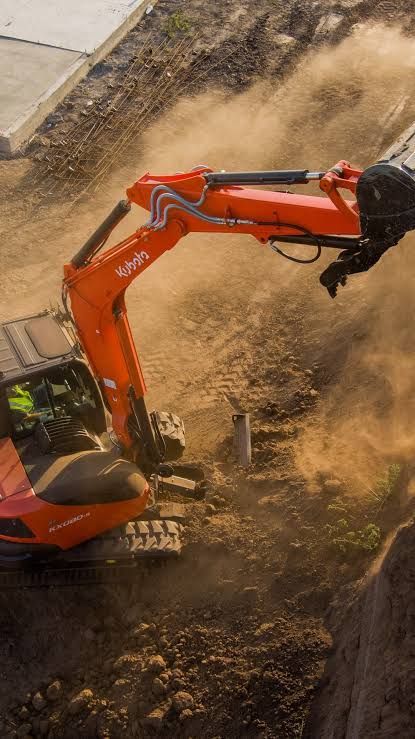
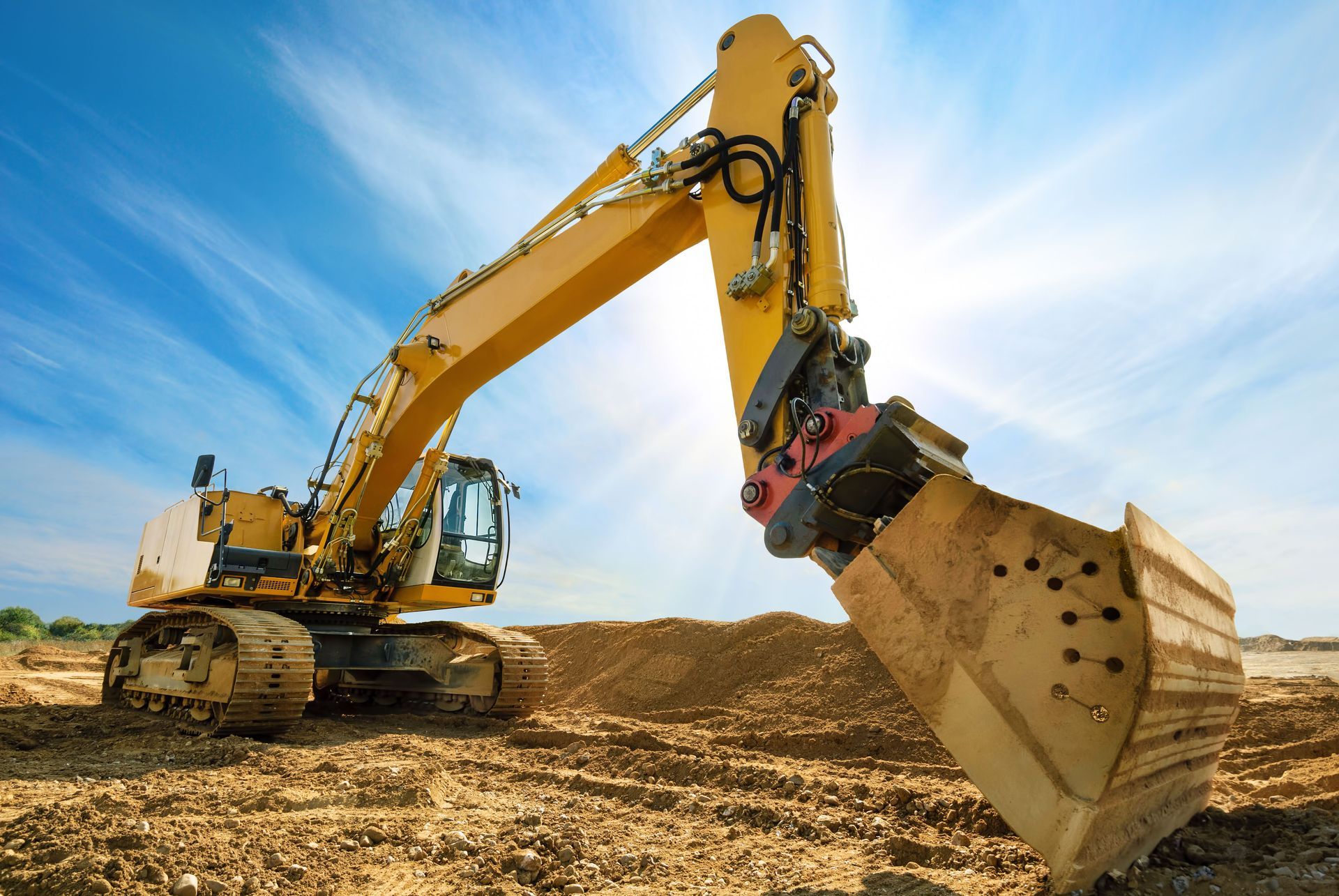
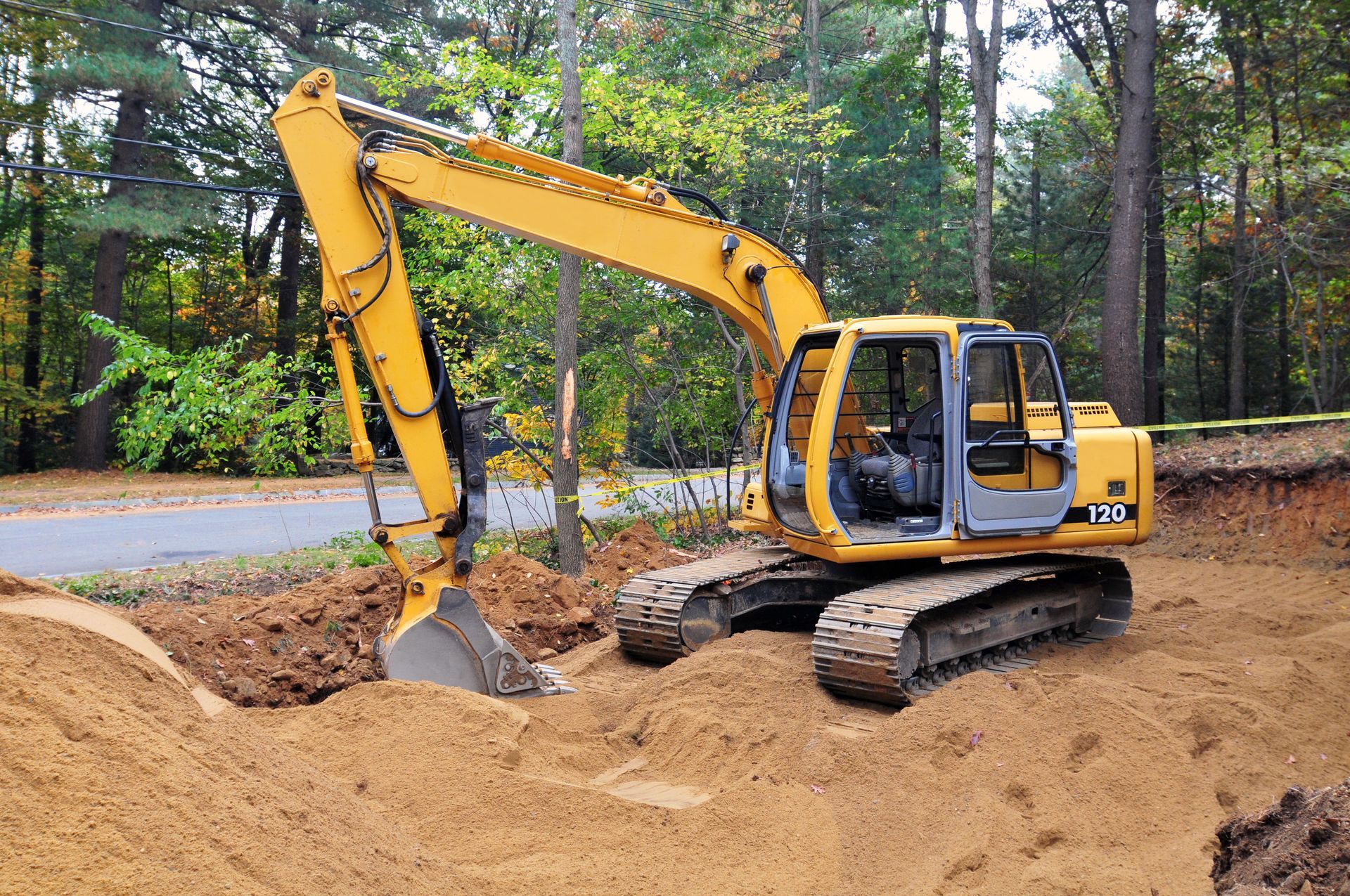
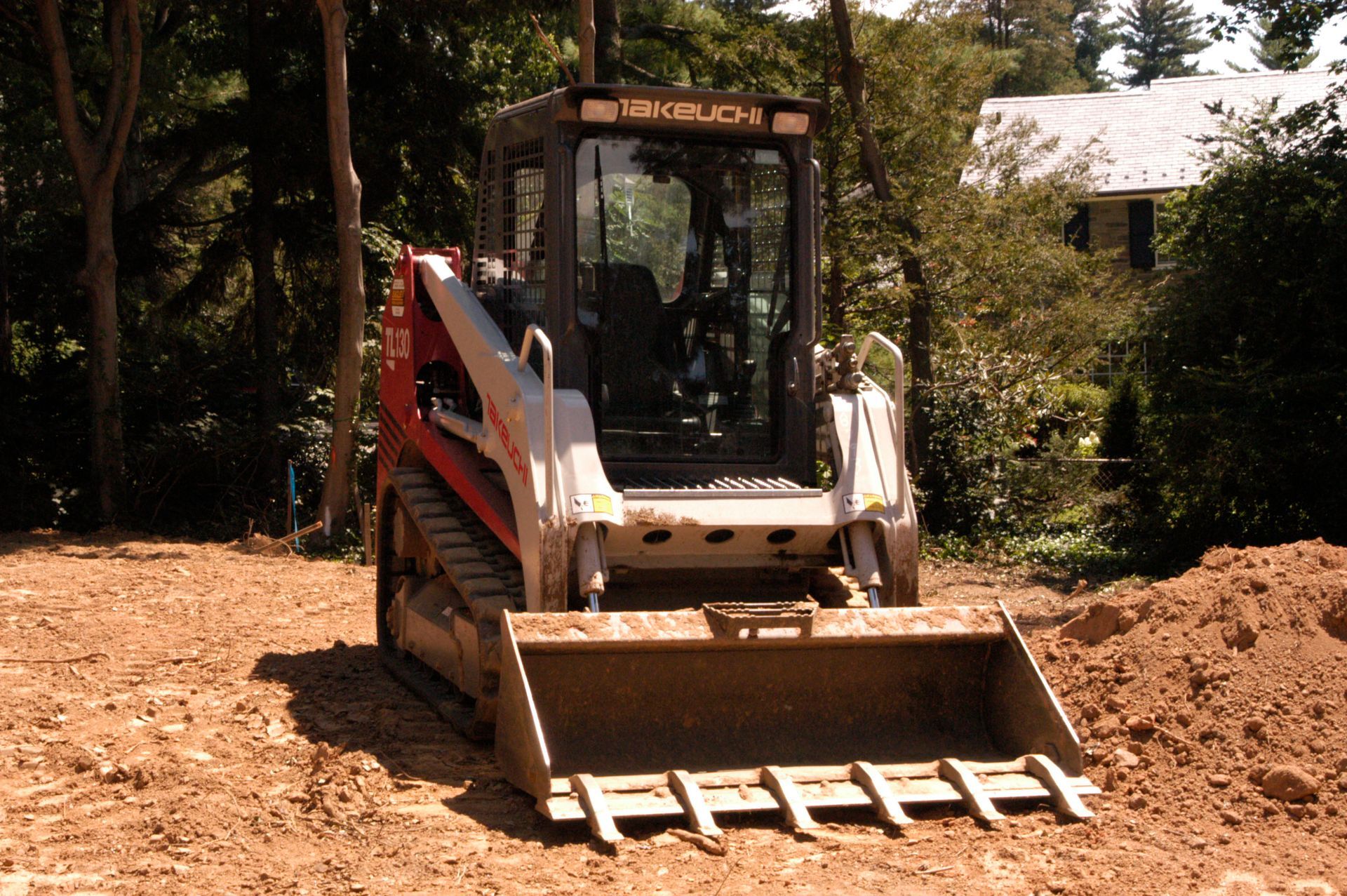
Selecting the right heavy machinery and tools forms the backbone of any productive construction project. Versatile earthmoving machines like compact track loaders, skid steers, and mini excavators allow crews to handle site grading, footing excavation, and debris removal in confined spaces. According to Mordor Intelligence, excavators accounted for a 36.28% share of the North American construction equipment rental market in 2025, underscoring how vital these machines remain for earthmoving, trenching, and demolition operations. Sourcing these units through a contractor supply partner ensures that builders receive well-maintained machinery ready for field operation.
Small tools and support equipment keep daily construction tasks moving without interruption. Cut-off saws, rotary hammer drills, and plate compactors give crews the capability needed for concrete prep, framing, and soil compaction. Routine inspections and scheduled servicing keep machinery functioning properly, preventing unexpected jobsite stoppages. Crew members should clean equipment undercarriages, check hydraulic lines, grease pivot points, and inspect blades before starting daily work. A strict pre-operation checklist keeps machines operating smoothly and extends the working life of critical equipment.
Equip Safeguards and Gear
Jobsite safety requires disciplined planning, consistent protocol enforcement, and complete access to personal protective equipment. Every tradesperson stepping onto an active job site needs personal protection suited to specific site hazards. Heavy-duty hard hats, high-visibility vests, impact-resistant safety glasses, steel-toed boots, and cut-resistant gloves form the primary defensive barrier against falling debris, flying particles, and sharp materials. A well-stocked contractor supply program guarantees that replacement face shields, dust masks, and hearing protection remain accessible whenever individual gear experiences wear or heavy use.
Beyond individual gear, job sites require shared safety equipment and emergency supplies to protect workers on the ground. Fall protection systems, including full-body harnesses, shock-absorbing lanyards, anchored safety lines, and perimeter guardrails, are essential safeguards for tasks performed at elevated heights. Ground-level zones require hazard perimeter tape, stable barricades, and visible site warnings around open trenches or equipment travel paths. Accessible first-aid stations, emergency eyewash units, and portable fire extinguishers must be positioned strategically around active work zones to handle field emergencies.
Coordinate Logistics and Storage
Organizing on-site material handling and storage prevents site congestion and protects construction materials from accidental damage. Heavy materials such as framing lumber, drainage pipe, and concrete blocks require designated staging zones that allow delivery vehicles and equipment to maneuver safely. Utilizing compact track loaders fitted with pallet forks or utility trailers enables swift offloading and material transport across rough terrain. Sourcing rugged material handling accessories through a contractor supply resource helps crews transfer heavy loads quickly while minimizing manual strain.
Protecting ground stability and environmental areas is another crucial component of site logistics. Projects involving site preparation and excavation must incorporate reliable drainage and erosion control supplies to manage runoff and stabilize disturbed soils. Heavy-duty trenchers carve drainage channels, while submersible pumps keep excavated pits dry during wet weather. Installing sediment control barriers, straw blankets, and durable culvert pipe prevents soil loss, while weather-resistant storage boxes and heavy tarps protect power tools and supplies from harsh weather.
Maintain Communication and Protocols
Clear communication across all operational levels keeps noisy construction sites running smoothly and safely. Because machine noise and physical distance can create hazards, crews must rely on standardized protocols and dependable communication gear. Two-way field radios allow machine operators, ground spotters, and site supervisors to coordinate heavy lifts and trenching operations without delay. Clear hand signals established during morning briefings provide a reliable backup when radio channels become crowded or loud engines drown out speech, preventing accidental strikes and aligning field workers.
Physical jobsite postings and visual management tools provide essential coordination for trade specialists and subcontractors. Weatherproof jobsite boards displayed at the main site trailer or staging area hold printed architectural plans, daily task schedules, and safety notifications. Clearly marked traffic maps designate specific entry points, travel lanes, and pedestrian walkways to eliminate vehicle congestion. Integrating these communication tools into daily contractor supply planning keeps field leaders and workers aligned on project objectives throughout every phase of construction.
Supply Power and Utilities
Dependable temporary power is essential for operating power tools, charging battery banks, and providing adequate jobsite illumination. Unfinished buildings and remote construction sites often lack permanent electrical connections, making portable power generation indispensable. Heavy-duty gas and diesel generators provide steady electrical current to run heavy saws, air compressors, and welding gear across active work areas. Securing reliable power equipment through a contractor supply channel ensures that critical tasks continue without prolonged interruptions caused by missing utility hookups.
Jobsite safety and productivity also depend on adequate temporary lighting and proper fuel handling protocols. Mobile light towers and high-output work lights brighten enclosed work areas, stairwells, and outdoor excavations during early morning or late evening shifts. Proper lighting reduces tripping hazards and allows trades to finish concrete, install framing, and complete inspections accurately. Safe fuel management requires heavy-duty safety cans, secondary fuel containment berms, and readily available spill kits near generator stations to prevent environmental contamination.
Manage Crews and Operations
Coordinating the workforce effectively transforms jobsite supplies and heavy machinery into smooth project execution. Before assigning operators to complex equipment such as excavators, rollers, or wood chippers, supervisors must confirm operator qualifications and conduct equipment walkthroughs. Reviewing machine controls, attachment locking mechanisms, and manufacturer safety protocols ensures that every worker handles machinery with care and skill. Hands-on equipment orientations familiarize operators with specific controls, reducing operator error and keeping ground workers safe around active machinery zones.
Structured daily routines and open teamwork foster a positive, productive jobsite culture across all trades. Daily morning huddles allow supervisors to review project milestones, assign equipment, and address site-specific hazards before work begins. Encouraging workers to voice safety observations or equipment maintenance needs creates a collaborative atmosphere where minor issues are solved before causing project delays. Aligning qualified operators, organized task schedules, and proper contractor supply resources produces a cohesive workforce capable of meeting demanding deadlines.
A well-equipped construction site is essential for maintaining project momentum, protecting workers, and ensuring quality workmanship across every phase of a build. From versatile earthmoving machinery and durable safety gear to erosion control products and dependable generators, having the right site resources allows trade professionals to work with speed and safety. Thoughtful planning, consistent safety enforcement, and organized material logistics prevent field delays and keep construction timelines on schedule.
Selecting the right equipment and support supplies gives construction crews the confidence to tackle challenging ground conditions and demanding plans. When managers prioritize proper tools, dependable power, and skilled machine operation, jobsites function with peak efficiency and exceptional safety standards. Contact our team at Papertown Equipment Rental today to reserve the machinery, attachments, and essential supplies your crew needs to succeed on every project.